By Mario
August 26, 2026
Planning a major home upgrade or structural improvement involves a lot of moving parts, and choosing the right team to handle your pouring and finishing work is at the top of that list. Concrete is a long-lasting, heavy-duty material, which means any mistakes made during installation can lead to costly repairs down the road. Working with a skilled concrete contractor ensures that your project stays on schedule, meets local building standards, and looks great for years to come. To make sure you hire the right professionals for your upcoming project, here are ten important questions you should ask before signing a contract.
1. How Many Years of Experience Do You Have With Similar Concrete Projects?
Experience matters tremendously when dealing with site preparation, mix selection, and curing times. Ask every potential concrete contractor about their specific history with projects like yours, whether you are installing a decorative patio, a reinforced driveway, or a structural foundation. A concrete contractor who has spent years working in your local region will also understand regional climate challenges, such as freeze-thaw cycles and soil conditions, which impact how a slab performs over time.
According to Market Research Future, the concrete contractor market size was estimated at $200.07 billion in 2024. With such a massive, growing industry, homeowners have access to a wide variety of companies, making it even more important to screen candidate qualifications carefully. Request to see photos of completed jobs that match your project scope so you can gauge their overall workmanship and technical skill level.
2. Can You Provide a Detailed Written Estimate and Breakdown of Costs?
Clear financial communication prevents unexpected surprises once the work gets underway. A reputable concrete contractor should provide a comprehensive, written estimate outlining labor costs, material expenses, site preparation fees, and disposal costs for old materials. Having everything documented line by line allows you to evaluate quotes fairly and spot any hidden charges before work begins.
Be sure to ask about payment structure as well. Most standard jobs require an initial deposit followed by progress payments or a final payment upon completion. Avoid working with anyone who demands full payment upfront before materials arrive on site. Clear financial terms keep both parties accountable throughout every phase of the project.
3. Are You Fully Licensed, Bonded, and Insured for Local Property Work?
Working with an insured concrete contractor is critical for protecting your property and finances. Ask for proof of general liability insurance and workers' compensation coverage before any work starts. General liability covers damage to your home or property during construction, while workers' compensation protects you from liability if a crew member suffers an injury on your job site.
Verifying active state licenses and bonding is equally important. Proper licensing ensures that the team understands current local building codes and municipal regulations. A bonded company provides an added layer of financial protection should the company fail to complete the project as outlined in your contract agreement.
4. Will You Handle Securing the Necessary Building Permits and Inspections?
Permit requirements vary depending on your municipality and the scope of your construction project. Ask your concrete contractor upfront if they will take responsibility for pulling required permits and scheduling required city inspections. Professional contractors know how to navigate local permitting offices efficiently and will factor those steps into your overall timeline.
Failing to secure proper permits can result in hefty fines, project delays, or even municipal orders to tear out new work. Ensuring your team handles these administrative details protects you from regulatory headaches and guarantees that your new slab complies with local zoning guidelines and structural standards.
5. What Concrete Mix and Reinforcement Materials Do You Recommend for My Job?
Not all concrete mixes are created equal, and different applications require specific compressive strengths and additives. A knowledgeable concrete contractor will evaluate your site usage and recommend an appropriate concrete mix rated in pounds per square inch, commonly referred to as PSI. They should also explain whether your project needs air-entrainment additives to combat seasonal weather changes.
Ask about reinforcement methods such as rebar, wire mesh, or synthetic fiber additives. Proper reinforcement prevents shifting, heavy-load cracking, and structural failure over time. Understanding why a concrete contractor selects specific reinforcement materials gives you confidence in the long-term durability of your investment.
6. How Do You Prepare the Base and Manage Site Drainage?
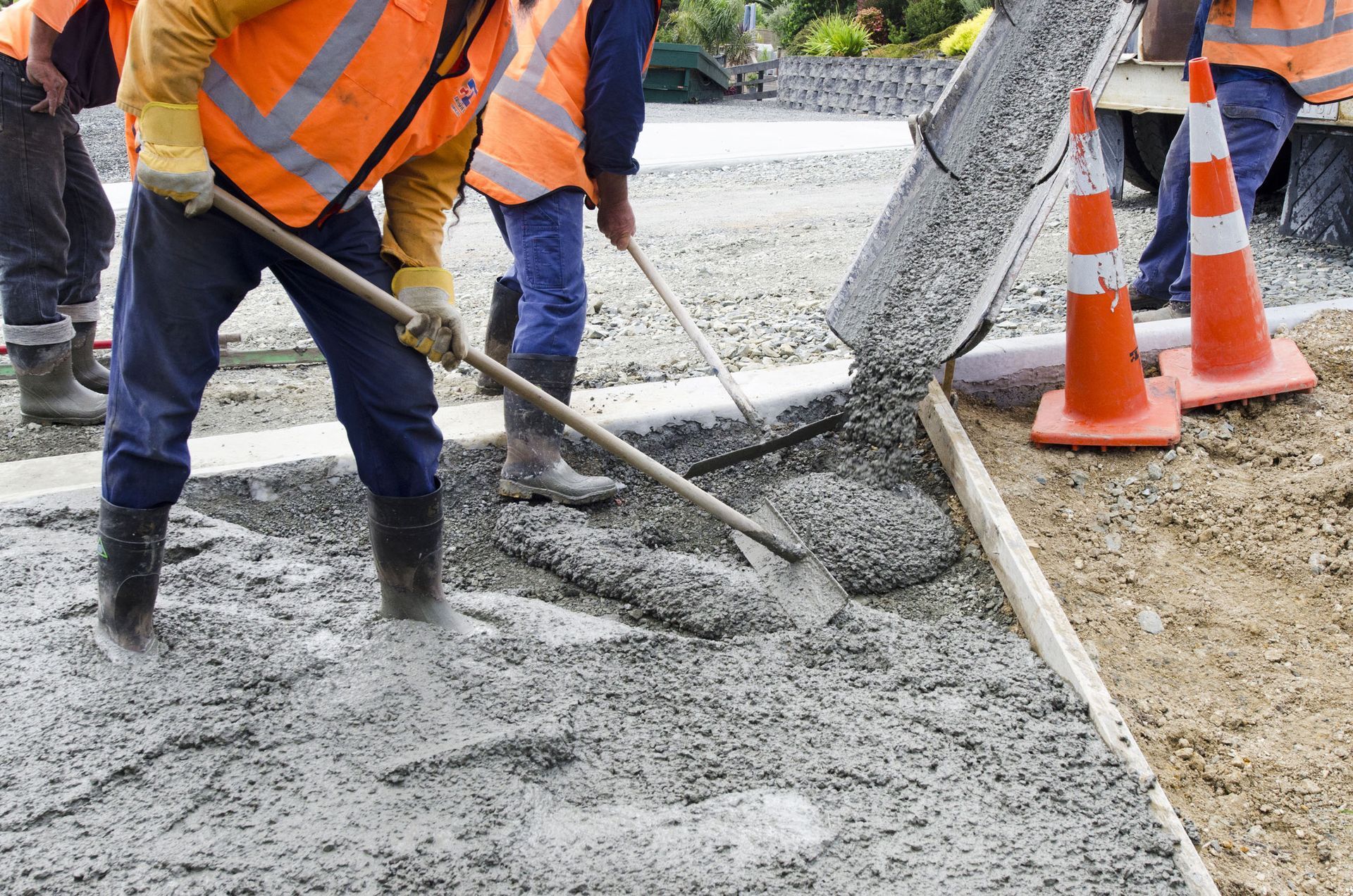
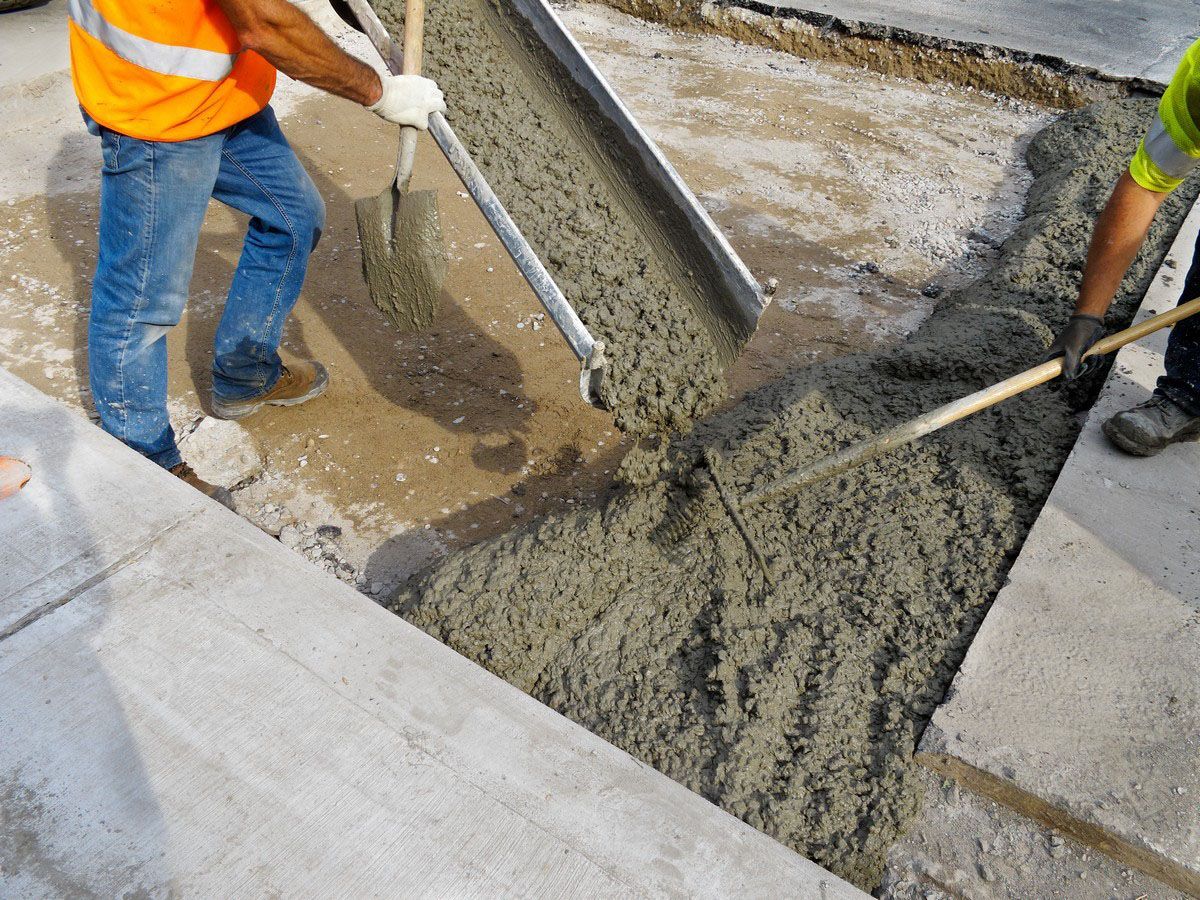
The strength of a concrete slab depends heavily on the preparation of the subbase beneath it. Inquire about the excavation depth, subbase materials, and compaction techniques your concrete contractor plans to use. Skimping on subbase preparation often leads to uneven settling, cracking, and premature surface degradation.
Proper drainage planning is another crucial aspect of site prep. Ask how the crew intends to pitch or slope the surface to divert water away from your home foundation and adjoining structures. A reliable concrete contractor will build effective slope and drainage solutions directly into the site plan to prevent standing water problems later on.
7. What Is Your Anticipated Timeline from Site Prep to Final Cleanup?
Understanding the project timeline helps you prepare your daily routine and property access accordingly. Ask your concrete contractor for an estimated start date, total project duration, and expected completion date. Factors like weather conditions, material availability, and curing time can impact progress, so ask how the team manages weather delays.
Clarify how long you must wait before walking or driving on the new surface after the final pour. Your concrete contractor should provide clear guidelines on curing times to ensure the material reaches its maximum structural strength before receiving heavy weight or vehicle traffic.
8. Who Will Be Managing the Worksite on a Daily Basis?
Clear communication depends on knowing who is in charge on site each day. Ask if your primary contact person will be present during the pour or if a dedicated job site supervisor will handle daily operations. Having an assigned site manager gives you a direct point of contact for any daily updates or immediate questions that arise.
It is also helpful to ask if the company uses in-house crew members or hires third-party subcontractors for specialized tasks. Knowing who will be working on your property gives you peace of mind and ensures consistent quality control throughout the construction process.
9. What Curing Methods and Protective Sealants Do You Apply?
Curing is the vital process of maintaining adequate moisture and temperature conditions so the material can achieve proper density and strength. Ask your concrete contractor about their preferred curing method, such as applying curing compounds, wet curing blankets, or continuous moisture treatments. Proper curing directly affects surface hardness and long-term resistance to wear.
Inquire whether sealer application is included in your estimate or offered as an optional service. Sealants protect the surface against chemical spills, oil stains, moisture penetration, and salt damage. A proactive concrete contractor will recommend the best sealing strategy to keep your surface looking pristine for years to come.
10. What Warranties Do You Offer on Your Workmanship and Materials?
A professional contractor stands behind the quality of their work with clear warranty coverage. Ask your concrete contractor what warranties they provide for structural integrity and surface finishing, and clarify what specific issues are covered under that guarantee. Make sure you receive all warranty terms in writing prior to signing your contract.
Understand that minor hairline cracks can naturally occur as concrete cures and settles, but major structural cracking, scaling, or spalling should be addressed by your contractor. Knowing your warranty coverage gives you assurance that any unexpected material or installation issues will be resolved promptly.
Taking the time to ask these ten essential questions ensures that you select a dependable, skilled team capable of turning your home improvement plans into lasting reality. By covering experience, licensing, material specifications, and warranty coverage upfront, you remove guesswork from the process and set your project up for complete success. When you are ready to start your next driveway, patio, or structural upgrade, contact South Jersey Construction Enterprise to discuss your goals and receive a detailed quote tailored to your property needs.